Fire Watch Services and Their Role in Avoiding Costly Fire Damage
| Team info | |
|---|---|
| Description | Fire damage is rarely just about flames. It’s about halted operations, lost inventory, damaged infrastructure, regulatory penalties, and long-term business disruption. In many cases, the most expensive fires are not the largest ones they are the ones that could have been prevented early but went undetected during critical moments. Businesses that prioritize safety often invest in Fire Watch Services Near Me for added protection. Fire watch services play a direct role in reducing these costs by ensuring continuous oversight when fire risks are highest and protection systems are limited. Their impact is not theoretical; it is measurable in avoided losses, preserved operations, and controlled incidents. 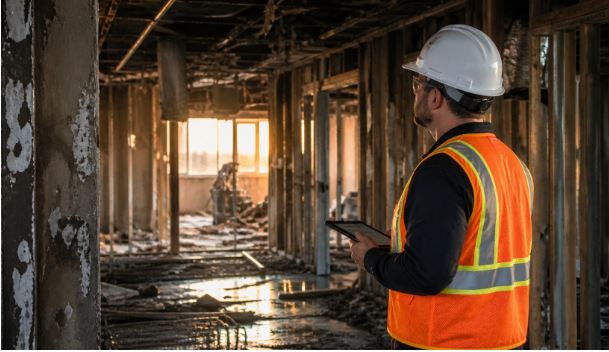 The True Cost of a Fire Incident When a fire occurs in a commercial or industrial environment, the financial impact extends far beyond immediate damage. Even a small incident can trigger a chain reaction of expenses. Common cost factors include: - Structural damage and repair costs - Equipment replacement and downtime - Inventory loss - Business interruption and missed deadlines - Insurance claims and potential premium increases - Regulatory fines for non-compliance In high-risk environments, these costs can escalate rapidly. The key to minimizing them is early detection before a minor issue becomes a major event. Where Financial Risk Begins: The Detection Gap Most fire protection systems are designed to respond after a fire has already started. Sprinklers activate when heat thresholds are reached, and alarms sound when smoke is detected. The problem lies in the gap before those triggers. This detection gap is where: - Overheating equipment goes unnoticed - Sparks ignite hidden materials - Small fires begin to spread undetected Fire watch services are specifically designed to close this gap by providing continuous fire risk monitoring during periods when systems are offline or risks are elevated. A Real-World Example: Preventing a Costly Shutdown A manufacturing facility scheduled maintenance on its fire suppression system, requiring a temporary shutdown. Production continued to meet delivery commitments, increasing operational pressure. Fire watch services were deployed across the facility. During a patrol, a guard identified excessive heat in a conveyor motor. The issue was corrected immediately, preventing ignition. Had the motor failed and sparked a fire, the facility would have faced: - Production stoppage - Equipment damage - Delayed orders and financial penalties Instead, the issue was resolved with minimal disruption, demonstrating how fire watch directly prevents costly outcomes. What Fire Watch Services Actually Provide Fire watch services involve trained personnel assigned to monitor a facility for fire hazards when fire protection systems are impaired or when risk levels increase. Their role is proactive and continuous. Fire watch guards: - Conduct regular patrols across high-risk areas - Identify early warning signs such as heat, smoke, or unusual odors - Ensure fire safety equipment is accessible - Respond immediately to potential hazards - Maintain detailed logs for compliance and accountability This combination of observation and action reduces the likelihood of fire incidents and the associated costs. When Fire Watch Becomes a Financial Safeguard Fire watch services are often required in situations where the risk of fire and therefore financial loss is significantly higher. During System Shutdowns Maintenance or failure of alarms and sprinklers removes critical layers of protection, increasing the risk of undetected fires. During Hot Work Operations Welding, cutting, and grinding introduce ignition sources that can lead to fires if not closely monitored. During Construction or Renovation Temporary conditions, including exposed wiring and combustible debris, create additional hazards. During Emergency Situations Power outages or system malfunctions can compromise detection and suppression capabilities. In each of these scenarios, fire watch services act as a financial safeguard by preventing incidents before they escalate. Responsibilities That Directly Reduce Damage The duties of fire watch guards are designed to minimize both risk and potential loss. Each responsibility contributes to early detection and rapid response. Key responsibilities include: - Monitoring high-risk zones continuously - Identifying hazards before they develop into fires - Taking immediate action to control small incidents - Ensuring clear access to exits and firefighting equipment - Documenting all observations for compliance These actions reduce the time between hazard detection and response, which is critical in limiting damage. Compliance: Avoiding Regulatory and Financial Penalties Fire safety compliance is not just about meeting regulations it is also about avoiding financial consequences. Organizations such as OSHA and NFPA require fire watch services when fire protection systems are impaired or when risks are elevated. Compliance requirements typically include: - Continuous monitoring during system outages - Deployment of trained personnel - Maintenance of detailed logs - Immediate response to hazards Failure to comply can result in: - Fines and enforcement actions - Forced shutdowns - Increased liability in case of fire incidents Fire watch services help organizations meet these requirements while protecting against additional costs. The Business Case: Prevention vs. Recovery The cost of implementing fire watch services is minimal compared to the potential losses from a fire incident. This creates a clear business case for prevention. Consider the comparison: Without fire watch: - Delayed detection - Greater damage - Higher repair and recovery costs - Operational disruption With fire watch: - Early detection - Controlled response - Reduced damage - Continuity of operations From a financial perspective, fire watch services are an investment in risk reduction rather than an expense. Choosing a Provider That Protects Your Bottom Line Selecting the right fire watch provider is critical for maximizing cost protection. Not all services offer the same level of effectiveness. Key factors to consider include: - Experience in high-risk environments: Understanding where financial risks are greatest - Training and certification: Ensuring guards can identify and respond to hazards - Reliability: Continuous monitoring requires consistent performance - Attention to detail: Early detection depends on vigilance - Documentation: Accurate records support compliance and audits A qualified provider ensures that fire watch services deliver real value in preventing costly damage. Integrating Fire Watch Into Risk Management Fire watch services should be part of a broader risk management strategy rather than a standalone measure. This integration enhances their effectiveness in reducing financial exposure. Key elements include: - Aligning fire watch with maintenance schedules - Incorporating fire watch into emergency response plans - Using fire watch observations to improve safety practices - Conducting regular risk assessments By integrating fire watch into overall operations, organizations create a proactive approach to cost management. Beyond Immediate Savings: Long-Term Benefits The benefits of fire watch services extend beyond preventing immediate damage. Over time, they contribute to: - Reduced frequency of fire incidents - Improved safety culture within the organization - Lower insurance risks and potential cost savings - Enhanced reputation for safety and reliability These long-term advantages reinforce the value of continuous fire risk monitoring. Conclusion Fire damage is one of the most costly and disruptive risks a business can face, but it is also one of the most preventable when addressed early. Fire watch services play a critical role in this prevention by providing continuous monitoring, early hazard detection, and immediate response during high-risk periods. By closing the gap between risk and detection, they help organizations avoid the financial and operational consequences of fire incidents. In an environment where even a small oversight can lead to significant losses, fire watch services are not just a safety measure they are a strategic tool for protecting assets, maintaining continuity, and avoiding costly damage. |
| Created | 6 May 2026 |
| Total credit | 0 |
| Recent average credit | 0 |
| 14e credit | 0 total, 0.00 average (0 tasks) |
| 15e_small credit | 0 total, 0.00 average (0 tasks) |
| 15e credit | 0 total, 0.00 average (0 tasks) |
| 16e_small credit | 0 total, 0.00 average (0 tasks) |
| 16e credit | 0 total, 0.00 average (0 tasks) |
| Cross-project stats | Free-DC BOINCstats.com SETIBZH |
| Country | United States |
| Type | Local/regional |
| Members | |
| Founder | Kelly Wilson |
| New members in last day | Kelly Wilson |
| Total members | 1 (view) |
| Active members | 0 (view) |
| Members with credit | 1 (view) |
Generated 6 May 2026, 7:13:00 UTC