Top Fire Watch Companies for Protecting Your Assets and Workforce
| Team info | |
|---|---|
| Description | At 3:00 AM, a facility is at its quietest and often at its most vulnerable. No meetings. No supervisors walking the floor. Fewer people to notice when something is off. Yet machines may still be running, electrical systems still under load, and materials still sitting where they were left hours ago. Hotels expanding their facilities often seek Fire Watch Companies Near Me to meet local fire codes, ensuring that even during periods of change, safety remains a constant priority. If a fire starts in that moment, the question isn’t just how it happened. It’s who was there to notice it before it became irreversible. That’s where fire watch services move from being a requirement to being the only active layer of protection. 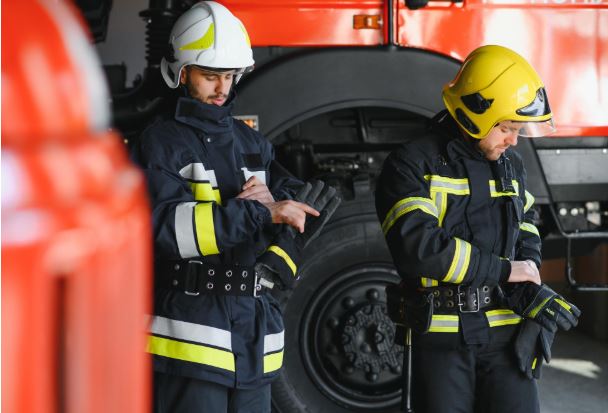 The Problem Most Businesses Don’t See Coming Fire risk doesn’t suddenly appear. It builds. A cable begins to overheat. Dust collects where airflow is poor. A welding spark lands somewhere it shouldn’t. None of these trigger alarms immediately especially if systems are offline or impaired. The real danger is not the ignition point. It’s the time between cause and detection. When automated systems are unavailable, that gap widens dramatically. Fire watch exists to close that gap. Before We Talk About Companies, Understand the Function Fire watch is often explained simply: trained personnel monitor a site for fire hazards when systems are down or risk increases. But in real-world conditions, that definition is incomplete. What actually happens is this: - a system that once reacted instantly is replaced with human judgment - a predictable response becomes a variable one - detection shifts from automatic to observational - That shift introduces risk but also opportunity. A trained fire watch guard doesn’t just react faster than a system they can act earlier, before the system would have triggered at all. A Warehouse, Two Outcomes A distribution center continues operations while its sprinkler system undergoes maintenance. Inventory is high, and shipping deadlines cannot be missed. Nothing unusual happens at least not at first. - Over several hours: Heat builds in one section due to continuous equipment use. Packaging materials increase the fire load. Airflow is restricted. In one version of this scenario, no fire watch is present. The condition goes unnoticed until smoke becomes visible. In another version, a fire watch guard recognizes the pattern early heat, material, confinement and flags it before ignition occurs. Same environment. Same risk. Completely different outcome. Where Risk Becomes Immediate There are specific moments when businesses lose their safety margin. Not gradually but instantly. It happens when: - fire alarms or sprinklers are taken offline, even temporarily - hot work introduces open heat sources into controlled environments - construction disrupts systems that normally contain or detect fire These are not theoretical risks. They are defined conditions under regulatory frameworks such as those from the OSHA and the NFPA. And when these conditions exist, protection must be replaced immediately. Not later. Not after planning. Immediately. What Skilled Fire Watch Actually Looks Like on the Ground You can tell a lot about a fire watch company by how their personnel move through a site. Untrained coverage looks routine fixed routes, predictable timing, surface-level checks. Experienced personnel behave differently. They slow down in certain areas. They revisit zones where conditions are changing. They focus on interaction points where heat meets material, where airflow is restricted, where activity is highest. They are not just watching the site. They are reading it. And that’s what protects both assets and workforce. The Human Factor in Workforce Safety When fire risk increases, employees are often the first exposed. Not because they are careless but because they are focused on their tasks, not on identifying fire hazards. A welder is focused on precision. A warehouse worker is focused on movement. A technician is focused on repair. Fire watch guards fill that gap. They provide a layer of awareness that workers cannot maintain while performing their roles. That separation of responsibility is critical. Without it, the same people creating operational output are also expected to monitor risk and that rarely works. Choosing a Fire Watch Company Isn’t About Staffing It’s easy to compare companies based on how quickly they can deploy or how many guards they provide. But those metrics don’t determine effectiveness. What matters is how a company approaches an unfamiliar environment. Do they ask questions before deployment? Do they adjust based on layout, activity, and timing? Do they treat each site as unique, or as another assignment? A provider that doesn’t adapt will miss something. It’s not a matter of if it’s a matter of when. The Only Place a Checklist Belongs There is one point in the process where structure helps evaluation. But even here, it should be minimal and focused. A reliable fire watch company should demonstrate: - the ability to interpret risk, not just observe it - familiarity with compliance expectations across jurisdictions - consistent documentation that reflects real activity, not routine logging If those elements are missing, the rest doesn’t matter. Compliance Is the Floor, Not the Goal Many businesses approach fire watch as a compliance requirement and stop there. But compliance only ensures that minimum standards are met. It does not guarantee protection. Fire marshals evaluate whether monitoring is continuous and effective. Documentation must reflect actual conditions, not assumptions. Meeting compliance keeps operations legal. Going beyond it keeps them safe. Construction Sites, Factories, and Facilities: Different Risks, Same Principle A construction site changes daily. A factory operates continuously. A commercial building balances occupancy and infrastructure. Different environments, different risks but the same underlying principle: Risk is dynamic, and protection must match that movement Fire watch services that remain static in dynamic environments fail to protect what matters. The Cost You Don’t See Until It’s Too Late Most fire watch decisions are evaluated based on immediate cost. But the real cost appears later: - when operations are interrupted - when inspections fail - when incidents could have been prevented but weren’t At that point, the decision has already been made. Fire watch is not an expense that guarantees nothing happens. It’s an investment in making sure the worst-case scenario never has the chance to develop. Final Thought: Protection Happens Before Anyone Notices By the time a fire is visible, the opportunity to prevent it has already passed. The real work happens earlier in moments that don’t look urgent, in conditions that don’t seem critical, in details that are easy to overlook. Top fire watch companies understand this. They don’t just respond to fire hazards. They identify them when they are still forming when they can still be controlled. And in environments where assets and workforce depend on stability, that early intervention is what makes all the difference. |
| Created | 30 Apr 2026 |
| Total credit | 0 |
| Recent average credit | 0 |
| 14e credit | 0 total, 0.00 average (0 tasks) |
| 15e_small credit | 0 total, 0.00 average (0 tasks) |
| 15e credit | 0 total, 0.00 average (0 tasks) |
| 16e_small credit | 0 total, 0.00 average (0 tasks) |
| 16e credit | 0 total, 0.00 average (0 tasks) |
| Cross-project stats | Free-DC BOINCstats.com SETIBZH |
| Country | United States |
| Type | Local/regional |
| Members | |
| Founder | Kelly Wilson |
| New members in last day | 0 |
| Total members | 0 (view) |
| Active members | 0 (view) |
| Members with credit | 0 (view) |
Generated 8 Jul 2026, 7:00:53 UTC