5 Signs You Need to Upgrade Your Deck Waterproofing System Immediately
| Team info | |
|---|---|
| Description | 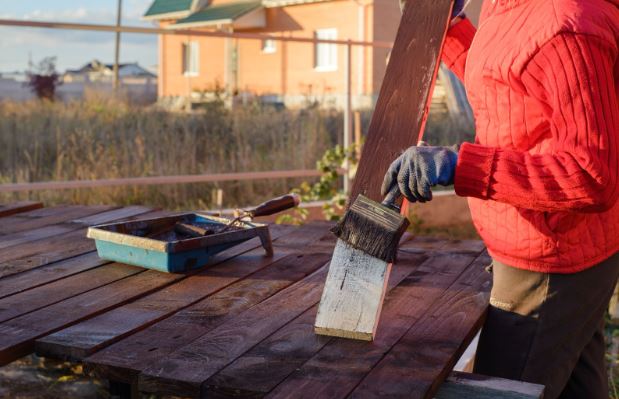 Your outdoor living space should be a source of relaxation, not a source of hidden structural risk. Deck failures happen more often than most homeowners realize, and moisture intrusion is the leading cause. A high-performance waterproofing membrane is the most effective defense against the kind of water damage that quietly destroys substructures over time. Tufdek vinyl decking is a 61-mil PVC waterproof membrane engineered as a walkable, roof-grade surface for residential applications, restoration projects, and new construction. Unlike water-resistant coatings that degrade and require repeated reapplication, a true waterproof membrane creates a permanent barrier that protects the structure beneath it for decades. Here are five clear signs that your deck needs this level of protection now. Sign #1: Your Deck Feels Spongy Underfoot If certain areas of your deck feel soft, bouncy, or spongy when you walk on them, that sensation is a direct indication of substructure rot. What you are feeling is the result of moisture bypassing the surface layer, reaching the plywood or joists below, and enabling fungal growth and wood decay. Once rot reaches the framing and footings, the structural integrity of the deck is compromised at its foundation. This is not a cosmetic problem that can be addressed with a fresh coat of sealant. The underlying wood requires proper remediation before any new waterproofing system can be installed effectively. A dry, solidly constructed subfloor of tongue-and-groove plywood at least 5/8 to 3/4 inches thick is the required foundation for a proper vinyl membrane installation. A thermally welded PVC membrane installed over a sound substructure creates an impenetrable seal that stops moisture intrusion and protects the wood beneath for 20 or more years. Sign #2: You Are Tired of Annual Maintenance If you are sanding, staining, or sealing your deck every one to two years just to prevent visible deterioration, the cumulative cost of that maintenance cycle adds up to a significant sum over a decade. Beyond the financial drain, the time investment of repeated surface preparation represents a recurring weekend obligation that takes you away from actually enjoying the space. Vinyl decking systems eliminate this cycle entirely. No sanding or staining is ever required. Routine maintenance consists of a seasonal rinse with mild soap and water. The surface is engineered to resist mold, mildew, and UV-related fading without resealing. When the ten-year cost of premium stains and labor is compared against a single professional vinyl installation, the financial case for upgrading becomes clear well before the decade is up. Sign #3: You Can See Surface Damage on Your Current Deck Curling board edges, deep surface cracks, bubbles in an existing roll-on coating, or peeling material are all signs that your deck's protective layer has failed and the wood below is now exposed to the elements. This type of visible surface trauma is more than an aesthetic issue. Splinters and peeling surfaces create real safety hazards for children and pets, and the exposed wood deteriorates rapidly once the barrier is gone. A reinforced vinyl membrane addresses these risks at the material level. Non-wicking weft fibers in the membrane construction prevent cracking and peeling even under sustained UV exposure and temperature extremes. The slip-resistant surface texture eliminates the hazard of smooth, worn decking and provides consistent footing in wet conditions. Once installed correctly, the surface does not develop the splitting or adhesive failure patterns that characterize aging wood or low-grade composite decking. Sign #4: You Have Active Leaks Below the Deck For elevated decks or decks built over living spaces, active water intrusion below the deck is one of the most urgent warning signs a property owner can encounter. If water is dripping into a patio, carport, or storage area beneath your deck, or if you are seeing water stains or mold where the deck meets the house at the ledger board, the waterproofing system has failed completely. According to the International Code Council, exterior decks must be designed to slope away from the building toward a drain or drainage point to prevent ponding water, and surfaces over occupied spaces carry specific waterproofing requirements. A roofing-grade vinyl membrane is the only product category that can reliably satisfy these requirements. Because this type of membrane is listed as a roofing product rather than a simple decking surface, it transforms the space beneath into a fully dry, usable area rather than a moisture-prone utility zone. Sign #5: Environmental Stress Is Degrading Your Deck Standard wood and entry-level composite decking lack the UV inhibitors and thermal flexibility needed to handle extreme environmental conditions. In high-altitude regions, intense UV radiation bleaches and brittle-izes wood surfaces faster than at lower elevations. In cold climates, freeze-thaw cycles cause seasonal movement that splits wood fibers and breaks down adhesive bonds in lesser membrane products. A premium vinyl system is engineered to remain flexible at temperatures as low as -40 degrees Celsius, which means freeze-thaw cycling does not cause the cracking or delamination that degrades other materials over time. UV inhibitors built into the formulation prevent the fading and surface breakdown that make unprotected decks look aged within a few years of installation. Cool-step technology in the surface layer keeps the deck comfortable underfoot even in direct sun, addressing one of the most common complaints about dark-colored or metal deck surfaces in hot climates. The comparison between traditional wood and a high-performance vinyl system makes the performance gap concrete. Traditional wood decks require annual staining and sealing, offer only temporary water resistance, carry an expected lifespan of 10 to 15 years when properly maintained, and have poor UV resistance. A vinyl membrane system requires only soap and water maintenance, delivers permanent waterproof performance, carries an expected lifespan of 20 to 25 years, and maintains superior UV resistance over that full service life. Permits, Inspections, and Why Compliance Matters Deck work, whether it involves new construction, full replacement, or major waterproofing remediation, typically requires a permit. The International Residential Code provides baseline guidance, but local jurisdictions frequently impose more stringent requirements. Some municipalities require permits for all deck work regardless of size or scope. Undertaking major remediation without the required permits exposes property owners to stop-work orders, daily fines ranging from $500 to over $1,200, and in severe cases, mandatory removal of the structure at the owner's expense. Unpermitted work also creates serious complications at the point of sale. Lenders frequently decline to finance properties with unresolved code violations, and retroactive permitting is a costly and sometimes impossible process without significant structural reconstruction. Insurance liability follows the same logic. If an unpermitted deck fails and causes injury or property damage, a homeowner's insurance provider may deny the claim entirely, leaving the property owner personally liable for medical bills, legal fees, and structural damages. A fully permitted deck installed by a licensed contractor shifts liability to the builder in the event of a structural failure. Proper documentation, permits secured in advance, and professional installation by a licensed contractor are not bureaucratic formalities. They are the conditions under which your investment is legally protected, financially insured, and built to perform for the full lifespan of the product. |
| Created | 13 Mar 2026 |
| Total credit | 0 |
| Recent average credit | 0 |
| 14e credit | 0 total, 0.00 average (0 tasks) |
| 15e_small credit | 0 total, 0.00 average (0 tasks) |
| 15e credit | 0 total, 0.00 average (0 tasks) |
| 16e_small credit | 0 total, 0.00 average (0 tasks) |
| 16e credit | 0 total, 0.00 average (0 tasks) |
| Cross-project stats | Free-DC SETIBZH BOINCstats.com |
| Country | United States |
| Type | Unclassified |
| Members | |
| Founder | Kelly Wilson |
| New members in last day | 0 |
| Total members | 0 (view) |
| Active members | 0 (view) |
| Members with credit | 0 (view) |
Generated 2 Jul 2026, 4:26:56 UTC